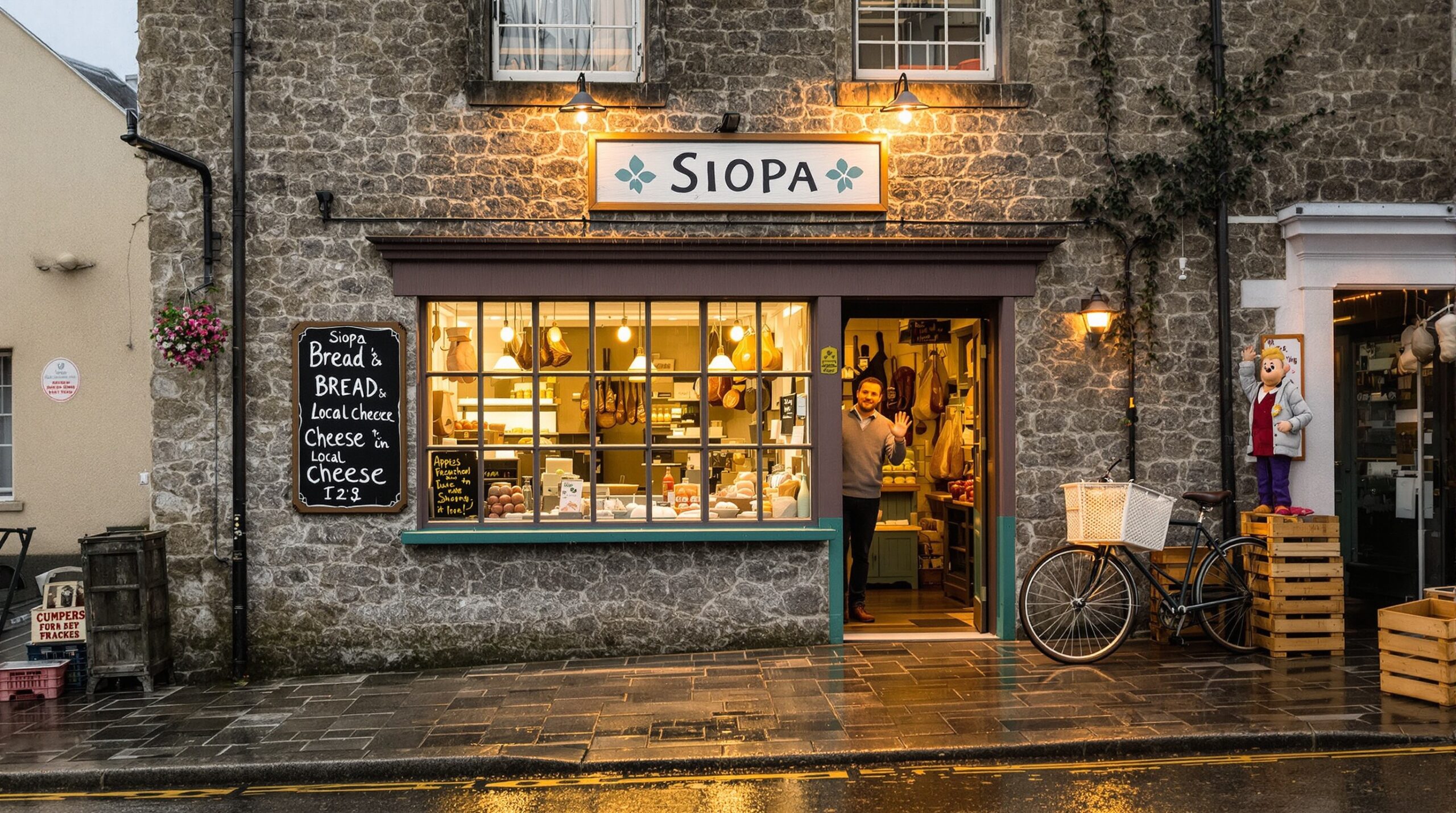
The Secret Life of Irish Shops: How Tiny Counters Keep Communities Alive
Wander down a side street in Dublin, a sleepy village lane in County Clare or the cobbled aisles of Cork’s English Market and you’ll notice something people everywhere cherish: the Irish shop. They’re not just places to buy bread and tea — they’re community anchors, storytellers, and often the best place to feel the pulse of everyday Ireland.
Why Irish shops feel different
Irish shops are intimate by design. Many are family-run and passed down through generations. The person behind the counter knows names, tastes and the week’s gossip. That human connection — a smile, a quick chat, a recommendation — is as important as the product on the shelf.
A handful of reasons they stand out:
- Community focus: In rural towns, the local shop is a meeting point, notice board and informal help desk.
- Specialisation: From old-style butchers and greengrocers to artisanal cheese shops and bookshops, many Irish stores offer carefully curated goods.
- Tradition and craft: Markets and independent stores keep local food traditions and crafts alive.
Types of shops you’ll meet in Ireland
- Corner shop / newsagent (often called the “shop”): Sells groceries, newspapers, confectionery, phone top-ups and sometimes serves as a post point. These are convenience lifelines.
- Supermarkets: SuperValu, Tesco, Dunnes Stores and Lidl cover the big weekly shop, but even they adapt local lines and often stock regional brands.
- Butchers & fishmongers: Still common in towns — expect tailored cuts, friendly advice and seasonal specialities.
- Greengrocers and bakeries: Fresh, local produce and breads; many bakeries still bake traditional soda bread and barmbrack.
- Markets: English Market (Cork), Galway Market and countless farmers’ markets offer the best local food, flowers and artisans.
- Charity shops: Well-established and social; you’ll find Vinnie’s, Oxfam, the Simon Community and many local vintage gems.
- Specialist shops: Craft cheese shops, tweed and wool stores, Irish design boutiques, and independent bookshops.
- Pharmacies and post offices: Often combined; post offices in smaller towns double as banking or bill-paying stops.
Famous shopping streets and markets to know
- Grafton Street (Dublin): Bustling high street with street performers and flagship stores.
- Henry Street (Dublin): A shopper’s hub with department stores and bargains.
- English Market (Cork): A covered market full of local producers, cheeses and charcuterie.
- Galway City Market: Creative, rowdy and full of artisan food and crafts.
Shopping tips for visitors
- Opening hours: Many city shops open long hours; rural shops may close for lunch or early evening. Sundays can be quieter but many retailers are open.
- Payments: Card and contactless are widespread; cash still welcomed in smaller shops.
- Tipping: Not expected in shops. Tip in cafés or for remarkable service at your discretion.
- VAT-free shopping: Non-EU visitors can sometimes reclaim VAT on goods; check receipts and ask the retailer.
- Chat politely: A few words of friendly banter go a long way — ask about local specialties or the best place for a proper fry.
How to find authentic Irish goods
- Look for “Product of Ireland” or local farm names.
- Visit farmers’ markets for seasonal produce and heritage foods.
- Seek out independent butchers, cheesemakers and bakeries for truly regional flavours.
- Try charity shops for vintage Irish knitwear, old books and unexpected finds.
Small actions that help local shops survive
- Buy one local item each trip — a loaf, a jar of jam, a bar of Irish chocolate.
- Use shop services (postal, bill payments) when available.
- Shop at weekday times to spread footfall and support steady income.
- Leave positive online reviews — they really matter for independents.
The future: old skills, new tools
Many Irish shops balance tradition with innovation. You’ll find cafés and butchers taking online orders, artisan producers selling subscription boxes, and co-operative community shops reopening in villages. Sustainability and provenance are increasingly important — shoppers want clear sourcing and minimal packaging.
Pop-up shops and makers’ markets have also reinvigorated high streets, offering a rotating showcase for local designers and food producers.
Top 7 Irish shop experiences to try
- Buy fresh soda bread from a local bakery and ask how they make it.
- Visit a traditional butcher and get a cut you’ve never tried.
- Spend a Saturday morning at a farmers’ market and taste local cheeses.
- Hunt for vintage treasures in a charity shop.
- Browse an independent bookshop and ask for a local recommendation.
- Wander the English Market for atmospheric food stalls and local banter.
- Pop into a rural “shop” for a cup of tea and a chat — you’ll leave with more than groceries.
Final thought
Irish shops may be small, but they hold big stories. They’re where recipes are shared, neighbourhoods organize and cultures are preserved. Whether you’re passing through or making a community your home, take a moment to go inside. You’ll leave with something you can’t buy online: a connection.